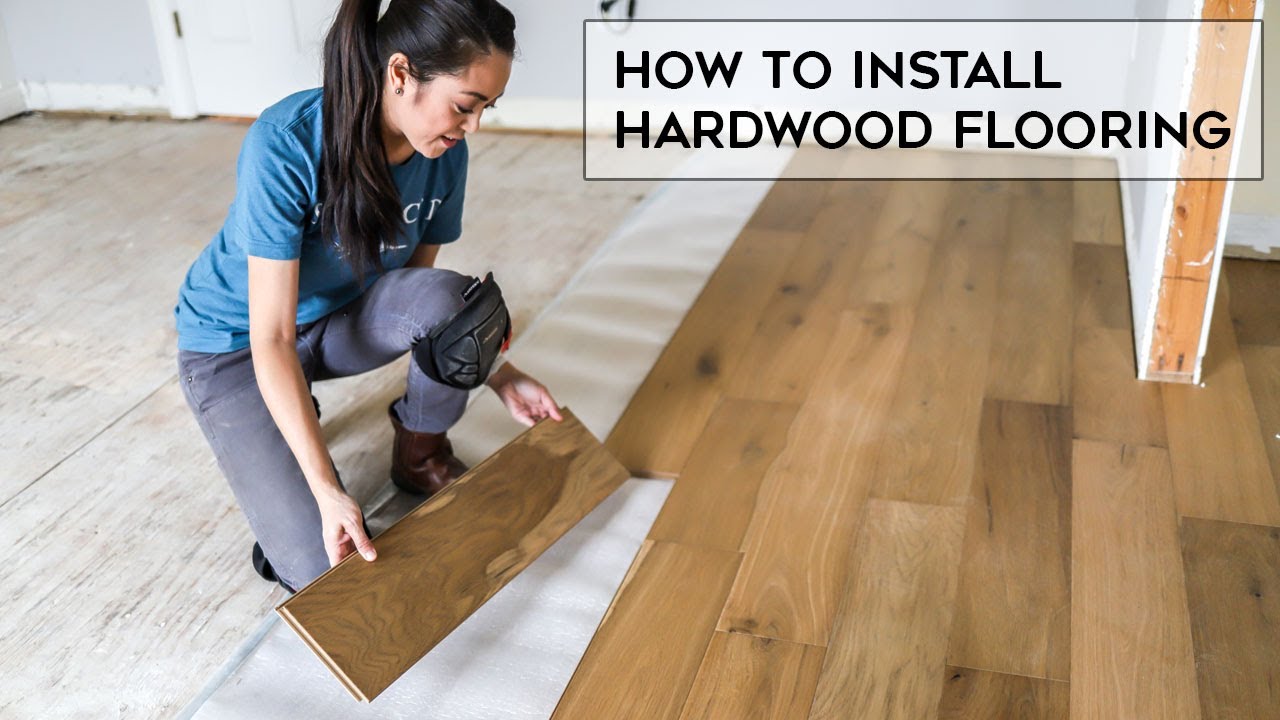
20 Pro Tips For Picking Floor Installation
Wiki Article
Why It Is Important To Repair Subfloors Prior Any New Floor Installation
Subfloor repair may be the less glamorous element of flooring installation nobody talks about but nobody would like to spend money on. It's difficult to determine how the work was done and it's hard to show in the same way, and adds expense to a budget that homeowners have typically set their minds to the exact amount. It is, however, without question, the single most significant factor that determines if your new flooring will function the in the way it is supposed to, or begins failure within its first year. The housing stock of Philadelphia including rowhomes, twins, colonial buildings older than Bucks County, Delaware County ranches with crawlspaces is particularly susceptible for subfloor issues that aren't noticed until the new floor is laid down and exposes them. Here's a few things every homeowner needs be aware of prior the installation.
1. The Subfloor Is The New Floor Is Actually Attached
The idea is obvious, yet it's lost in the excitement when choosing materials. Whether you're installing nail-down hardwood or glue-down LVP, floating laminate, or porcelain tile, the final surface will only be as durable as what's beneath it. A subfloor that has soft edges, spots of flex moisture loss, or unevenness will not go away once the new flooring is applied -in fact, it broadcasts all issues upward, often within months. Certified flooring installers assess the subfloor before evaluating other flooring for the exact reason.
2. In older homes, Philadelphia has subfloor Situations that can be a surprise to contractors
The homes constructed before 1960 in Philadelphia, South Jersey, and the surrounding counties often feature diagonal subfloors of board rather than plywood, the construction method was standard in the era but poses real issues for flooring installations in modern times. Subfloors made from board are more susceptible to moving, with gaps between planks, and often require an additional layer of new plywood prior to installation of tile or hardwood is possible. Contractors who do not flag this issue in an estimate did not do their homework properly or are planning to deal with it and create problems in the future.
3. Soft Spots Are a Warning Signal, Not an Perfusal
A swollen spot on your subfloor -- an area that gives slightly when you walk across it -usually indicates an issue with moisture, rot or delamination in the subfloor material itself. Installing flooring over a soft spot doesn't fix it, but it can cover it for a short period while the damage persists below. For hardwood floor installation at Philadelphia specifically, soft spots are a direct threat to the nail or staple hold that holds the flooring in place. Floors that start lifting or squeaking from the subfloor typically returns to a spot that was never addressed prior installation.
4. The level variation affects every flooring Type in a Different Way
The majority of flooring makers specify a maximum allowable variation in subfloor flatness -- commonly 3/16th of an inch over the span of 10 feet. Overstepping this tolerance affects different substances in different ways. Tile flooring isn't very offenders: high spots rip tiles, low spots fracture grout lines as well as an uneven subfloor under large-format porcelain is guaranteed to be a cause of callbacks. LVP manages slight variation better than many, but large dips or ridges still show through with time. Hardwood transmits unevenness through hollow spots, and even movement. Subfloor leveling compounds or targeted grinding are options -- skipping them is the problem.
5. The moisture in the Subfloor is a distinct problem With Humidity In The House
There are two distinct problems requiring separate solutions. Ambient indoor humidity affects the way wood flooring expands over time. Subfloor moisture -the transmission of vapor through concrete as well as wicking from old board subfloors, or the dampness from a previous leak directly damages glue bonds, causing the floating flooring to bow and encourages the growth of mold beneath completed flooring. The proper measurement of moisture prior to flooring installation in Philadelphia homes is an essential practice. On jobs where it'sn't completed the contractor has to assume rather than understanding the specifics of what they're dealing with.
6. Concrete Slabs Need Moisture Testing Before Glue-Down Installation
It is common for glue-down hardwood and LVP installation over concrete is commonplace within Delaware County and South Jersey houses that feature slab-ongrade construction. What isn't usually communicated to homeowners is the fact that concrete slabs release moisture vapour continuously, and how much affects the strength of the adhesive. A slab that passes a physical inspection may still fail a calcium chloride test or a relative humidity probe test. Flooring adhesives applied to any slab with a significant emissions of vapor will break down its bond - sometimes within one year -- and the floor may start to shift, swell or break.
7. Subfloor Repair Costs are difficult for estimating without examining
That's why the best flooring contractors won't be able to give you a price that is all-inclusive when you call them. Subfloor repairs in Philadelphia can range from a simple $200 patch of plywood, to a few dollar per square foot across large areas of damage from moisture. The only way to know is to visit the site and make a proper evaluation. Owners who insist on an all-inclusive price before anyone has had a look at the subfloor are setting up conditions wherein the contractor will build a huge budget or makes cuts when issues arise mid-job.
8. Tile Installation Is the Most Ristaking Test of the Subfloor's Integrity
Porcelain and ceramic tile possess no flexibility -- they transfer the strain directly to bond beneath them. A subfloor that has any sensible flexing will break grout and tile no matter its quality or how the tile was laid. The basic requirement for tile installation is a subfloor structure that is rigid enough to be able to meet standard of deflection that engineers define as L/360in other words, a span of 10 feet can only deflect 1/3 inches under load. Older Philadelphia homes usually fall short of this if they do not have reinforcement. The failures of installing bathroom tiles in older houses are almost always a matter of subfloor rigidity hidden behind a wall.
9. Resolving the Subfloor now will protect the Refinishing Value Later
One of hardwood flooring's main advantage over other floorings is its ability to remove and refinish it a number of times in the span of a few decades. It's not as effective if the subfloor underneath it is damaged. Floor sanding and refinishing on the streets of Philadelphia requires a sturdy and properly fastened floorwhich doesn't move or flex under the sanding machines. Problems with subfloors that were manageable at the time of installation are a big issue when refinishing is attempted months later. Fixing the subfloor correctly from the outset protects every future services the floor will require.
10. The contractors who discover subfloor problems are the ones that are worth Hiring
This may be counterintuitive- nobody wants to hear how their job became more expensive than it was before. But a flooring contractor who investigates your space, finds subfloor issues and includes repair in their scope is doing exactly what an expert should do. People who don't speak about it, quote low or begin laying flooring over a subfloor in danger are those who earn negative reviews a few months after. If you're receiving flooring estimates in Philadelphia and the thoroughness of the evaluation before the quote is given covers everything you'll need to know about the flooring installation will go. Read the most popular
tile flooring installation Philadelphia for website recommendations including flooring installation near me Philadelphia, luxury vinyl plank installation Philadelphia, licensed flooring installers Philadelphia, floating hardwood floor installation Philadelphia, waterproof flooring installation Philadelphia, flooring installation Philadelphia, laminate floor contractors Philadelphia, affordable flooring installation Philadelphia, floor sanding and refinishing Philadelphia, custom hardwood staining Philadelphia and more.
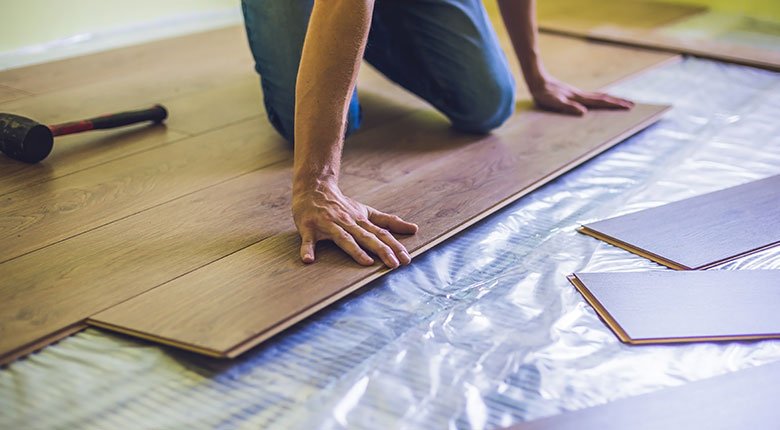
Waterproof Flooring Options For Philadelphia Bathrooms
The bathroom is where flooring decisions provide the most room for error. Each other room in a Philadelphia house can take one that's merely water resistant the bathroom, however, isn't. Shower water, steam from the shower, around the base of the toilet or around the sinks' splash zones as well as the general humidity that bathrooms that are closed will find every weakness in flooring that's not actually waterproof. Philadelphia homes present additional wrinkles Subfloors older than the time they were built that contain moisture bathroom floors that haven't had them upgraded since the 1970s and in many rowhomes, bathrooms set above a finished living spaces, where flooring malfunction could create a ceiling issue down. This is what is working, what's not or don't, and how to get a quote before putting the bathroom floor in.
1. Porcelain Tile remains the benchmark The Rest of the Tiles Get Compared
There's an explanation for why porcelain tile has been the default bathroom flooring choice for decades -- it's impervious to water when it touches the tile surface, handles humidity and steam without breaking as well, and if installed correctly and grout sealing, it will outlast other options even in humid conditions. Installing porcelain tile in Philadelphia bathrooms is a popular choice which has the longest documented record. Its disadvantages are quite real- cold underfoot, hard joints, regular grout maintenance necessary -- but no other material matches its waterproofing capabilities and durability when used in bathrooms.
2. Ceramic Tiles are a legitimate Step Down, It's Not an Equal Alternative
In the bathroom, porcelain as well as ceramic is frequently described as interchangeable but aren't the same thing in a bathroom context. In terms of their porousness, porcelain is much more durable than ceramic, and this can be a problem in a bathroom where the humidity is always present rather than frequently. A powder room or a guest bathroom that doesn't get much use, ceramic tiles are a good and affordable option. If you are looking to renovate a bathroom that is the primary one in the Philadelphia home, which is prone to frequent shower use, the density and moisture resistance of ceramic is worth the additional expense per square foot. The installation process is similar as the performance of the product over time isn't.
3. LVP is the Most Practical Alternative to Tile that is Waterproof
Luxury vinyl planks have genuinely gained its place on the table in bathroom flooring discussions. The material itself is 100 percent waterproof. The material's core doesn't absorb water, its surface doesn't change with humidity, and it's warmer and more comfortable underfoot than tile. The major caveat when installing in bathrooms is that LVP's water-proofing applies to the planks as a whole, not necessarily to the seams between them. A bathroom that has a significant water exposure -- for instance, a walk-in shower that does not have a barrier, or a freestanding tub in a freestanding tub, etc. -- water could work its way between planks and ultimately reach the floor. The correct installation techniques and seam sealing matter here more than any other place.
4. Laminate in a Bathroom is a Mistake You'll Be Sorry for
It is important to state this explicitly, since laminate often shows as a bathroom floor estimate, mostly due to its lower cost. Laminate includes a wood-fiber center. The continuous bathroom and the wood fiber moisture are not compatible. The edges swell, the seams lift, and the layers separate, and destruction accelerates in bathrooms more quickly than any other room in the house. The installation of cheap flooring that places laminate in a Philadelphia bathroom isn't cost-effective, it's an expense that will be delayed by just a few years. If a flooring contractor recommends laminate for a primary bathroom should be confronted directly on why.
5. The Subfloor Under a Philadelphia Bathroom is in need of an honest assessment
Older Philadelphia rowhomes and suburban colonials usually have bathrooms with subfloors that have dry history -- previous leak stainings, soft spots resulting from decades of exposure to water or original wooden subfloors that have absorbed more than they are required to absorb over time. Installing new waterproof flooring over a compromised subfloor doesn't solve any of the issues, but it just covers it and allows it to wear down. Repairing the subfloor in Philadelphia bathrooms before new flooring is installed isn't just an upsell. It's necessary for the new flooring to work properly and not fail too early.
6. Floor Heating Compatibility Varieties based on Material
Radiant floor heating in bathrooms -- increasingly used within Montgomery County and Delaware County home remodeling -- isn't compatible with every flooring material. Porcelain tile absorbs and reflects the heat efficiently, which makes it the ideal flooring for the heated subfloor. LVP is well-suited for radiant heat, but is subject to temperature thresholds and needs to be abided by -- too much heat could lead to distortion of the dimensions. If floor heating in the bathroom is part of your project, your flooring material selection and the heating system's specification have to occur in a dialogue with each other, not separately.
7. Bathroom Tile Layout can affect both Look and Water Management
This aspect can distinguish skilled tile flooring contractors from installers who are just able to put tile. Bathroom floors need some slight slope towards the drain -- typically 1/4 inch per foot- to prevent standing water. Tile designs that don't account to this fact, or will fight it with large-format tiles that bridge the slope creates problems of pooling that eventually work through the subfloor. The conversation about layout with your contractor should also include how the tile pattern is interacted with the location of the drain, in addition to how it appears on paper.
8. Grout Selection in Bathrooms Is an Essential Decision
Standard sanded-grout in a bathroom requires sealing at installation and resealing every few years throughout its lifespan. Epoxy grout -- more difficult is more expensive, but also less durable to installIt is almost impervious moisture and staining and doesn't require sealing. This grout is suitable for Philadelphia shower tile, where homeowners prefer minimal maintenance the epoxy grout is a good choice for paying for the additional labor expense. For homeowners who want to maintain regular maintenance of grout, traditional grout with proper sealing performs properly. What doesn't work is standard grout that never gets sealed in a bathroom with a high humidity setting.
9. Small Format Tile Manages the slopes of floors in bathrooms better
The growing trend towards large format tile -- 24x24 inches or larger that performs well in living areas and kitchens comes with practical problems for bathrooms. These tiles are much more difficult to put in the drains while not creating visible unevenness. Also, they require subfloors with a flat surface to prevent lippage. Smaller-sized format tiles 12-x12 inches and below and in particular mosaic tiles that follow the contours of a bathroom flooring more naturally. They also manage the drain slope with more ease and offer more grout lines that improve slip resistance when wet. Philadelphia tile flooring professionals with years of experience in bathrooms will raise this conversation before decision-making on layouts is made.
10. Bathroom Flooring and Wall Tiles should Be Specificated Together
A mistake that causes aesthetic regret, more so than functional issues, but it's worth it to be avoided in both cases. Bathroom floor tiles and wall tile interact visually in a tight space in ways, which can be difficult to discern without samples. The scale, the pattern direction, grout color, and finishing are all factors to consider together. Flooring contractors that also handle bathroom tile installation Philadelphia work may be able to coordinate it. Contractors who only handle the floor work and leave wall tiles to a separate contractor can result in situations where the finished room looks like two separate people made choices independently -- because they did. See the best See the recommended ceramic tile flooring Philadelphia for more recommendations including vinyl plank flooring Philadelphia PA, LVP floor installation cost Philadelphia, flooring contractors Bucks County, hardwood floor installation Bucks County, floating hardwood floor installation Philadelphia, ceramic tile flooring Philadelphia, flooring installation Philadelphia, hardwood floor installation Bucks County, flooring installation Montgomery County PA, kitchen tile flooring Philadelphia and more.